WIN-WIN PACK Concludes ASIA FOODEXPO (AFEX) 2026 in Manila, Philippines
WIN-WIN PACK Concludes ASIA FOODEXPO (AFEX) 2026 in Manila, Philippines
September 6–12, 2026 | Manila, Philippines
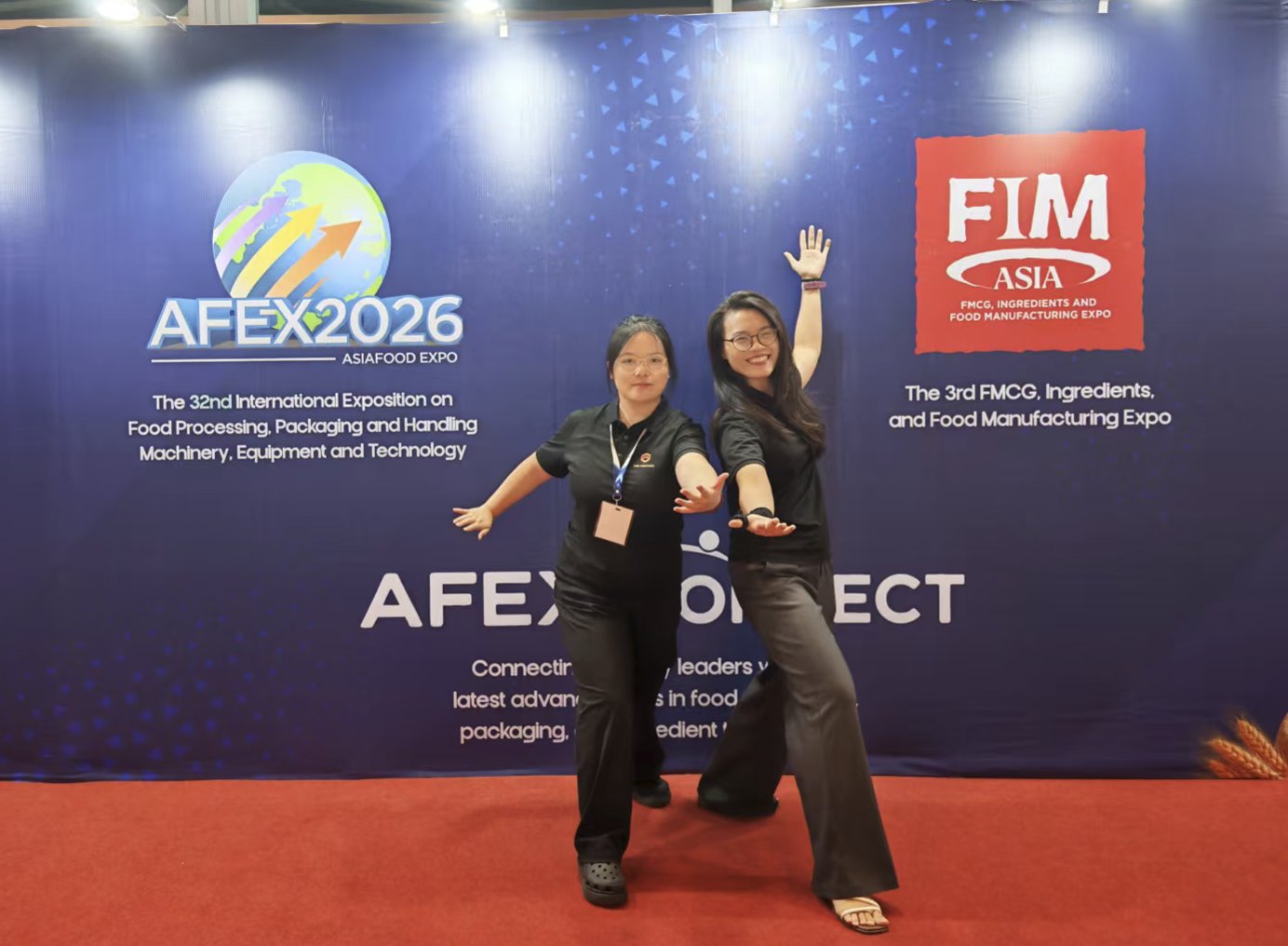
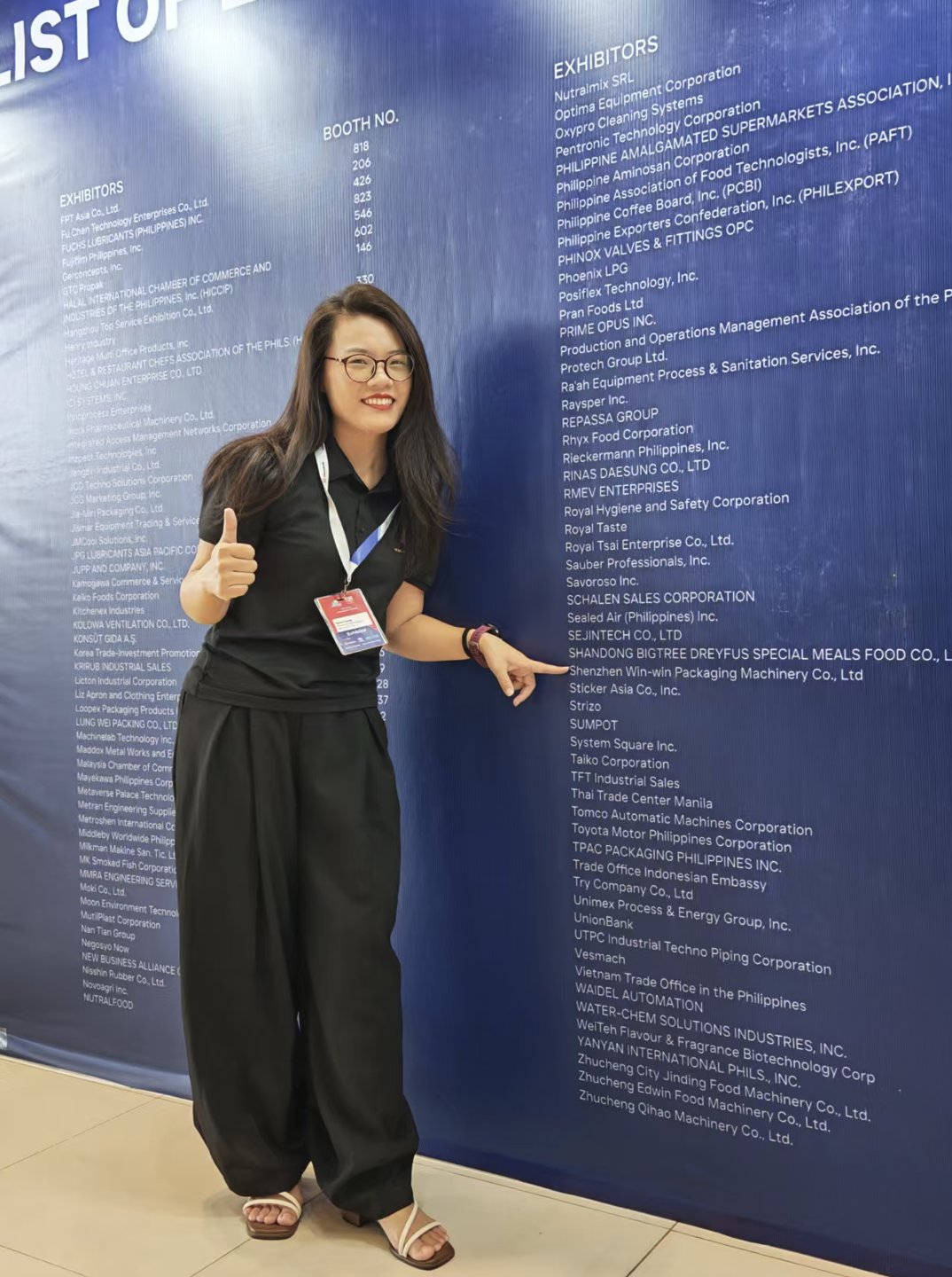
WIN-WIN PACK participated in ASIA FOODEXPO 2026 (AFEX 2026), held in Manila, Philippines from September 6 to 12, 2026. Organised together with FIM Asia, the FMCG, Ingredients and Food Manufacturing Expo, AFEX is one of the region's key gatherings for food processing, packaging, handling machinery, equipment and technology.
Before the trip, our understanding of the Philippine market came down to one word: growing. After four days on the exhibition floor, that "growing" finally turned into something concrete — real companies, real requirements and real purchasing plans.
Arrival and Booth Setup (September 6–8)
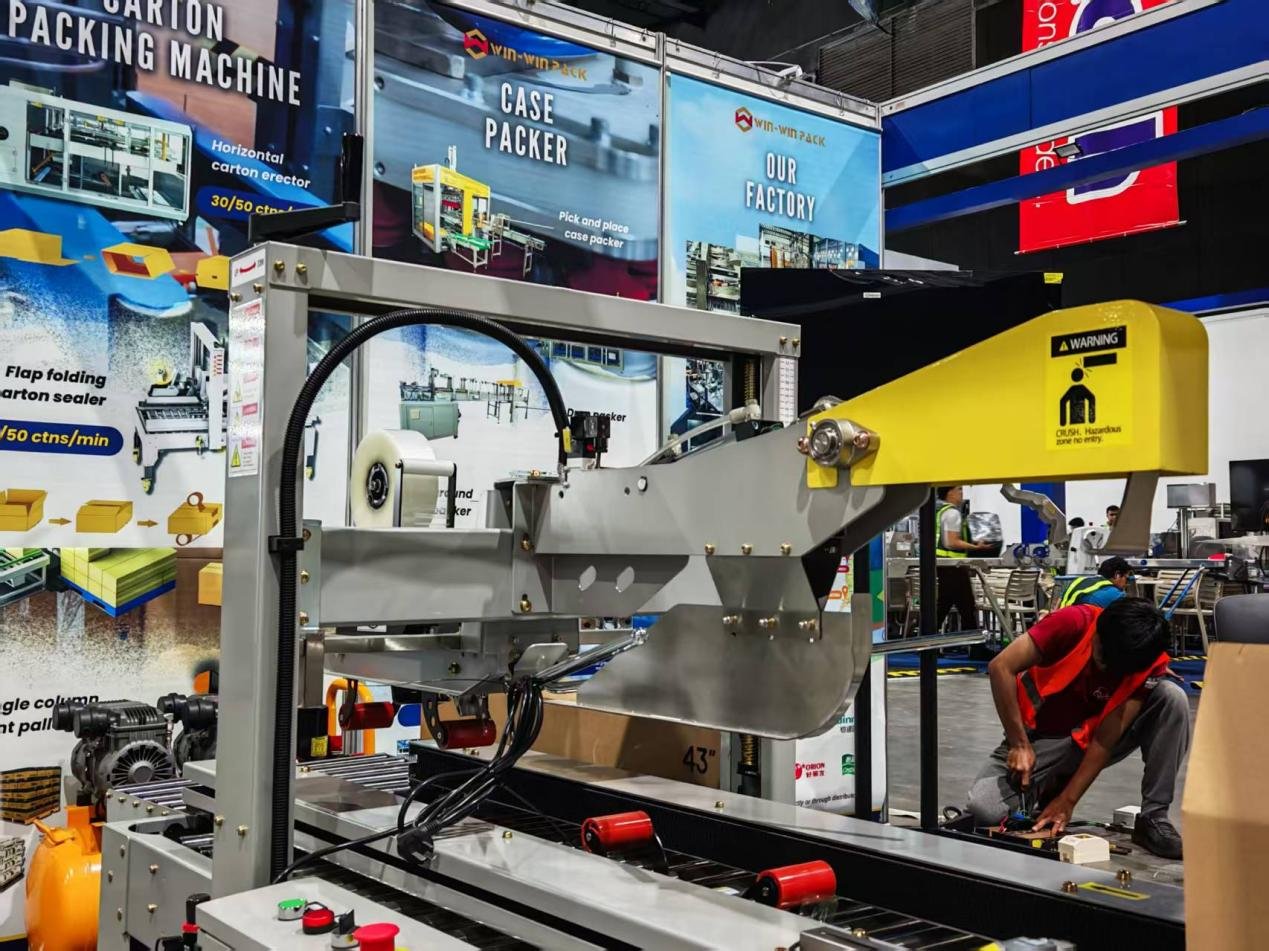
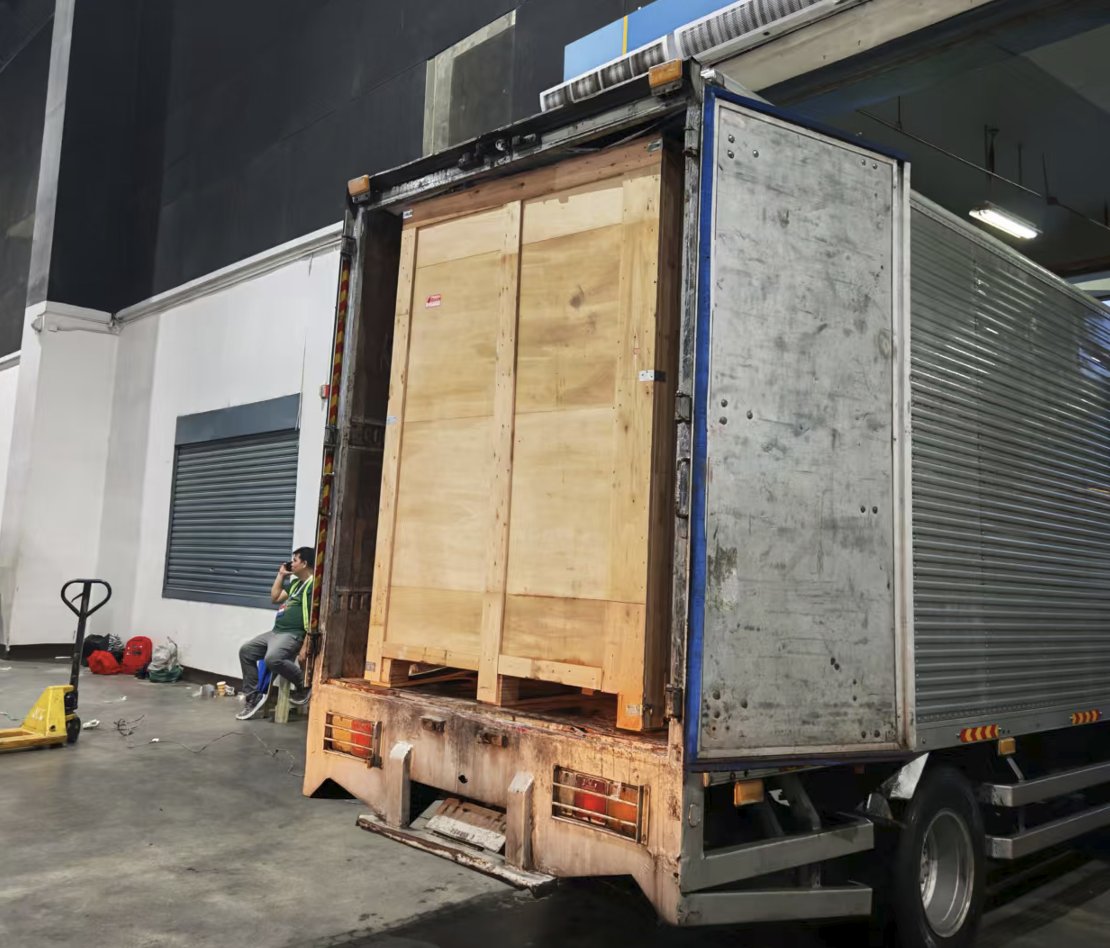
Our team of two arrived in Manila on September 6 and handled both setup and sales during the show. The equipment had to be moved in, positioned and repositioned more than once — what visitors see first, how the traffic flows between our booth and our partner's booth, where each panel and poster should go. The TV screens, the looping product videos, and the electrical and pneumatic connections all had to be arranged step by step.
By the evening of September 8, the booth was finally ready to receive guests. The biggest takeaway from those three days: a booth goes from empty to complete not because of how advanced the equipment is, but because of all the small, unglamorous details — every position, every cable, every adjustment. Those details decide the first impression a customer gets when they sit down.
Four Days on the Exhibition Floor (September 9–12)
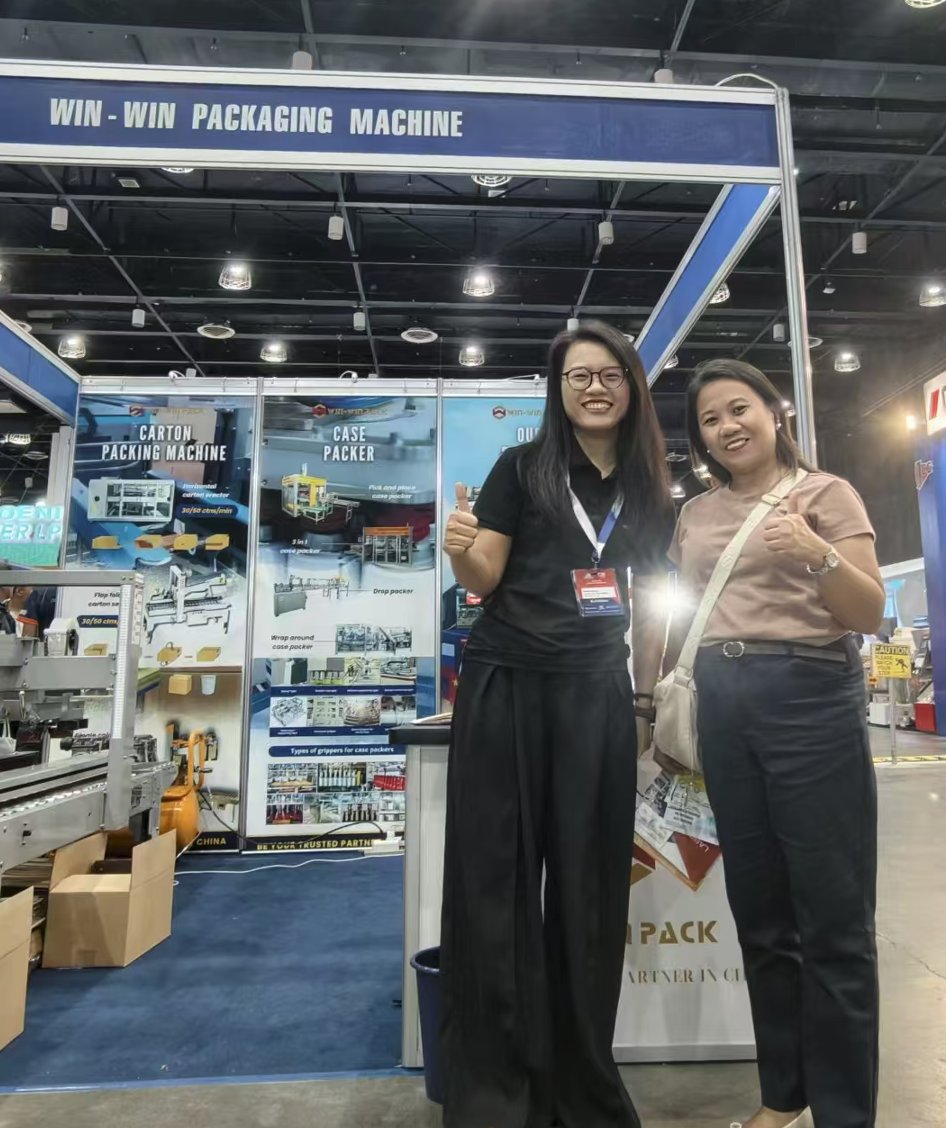
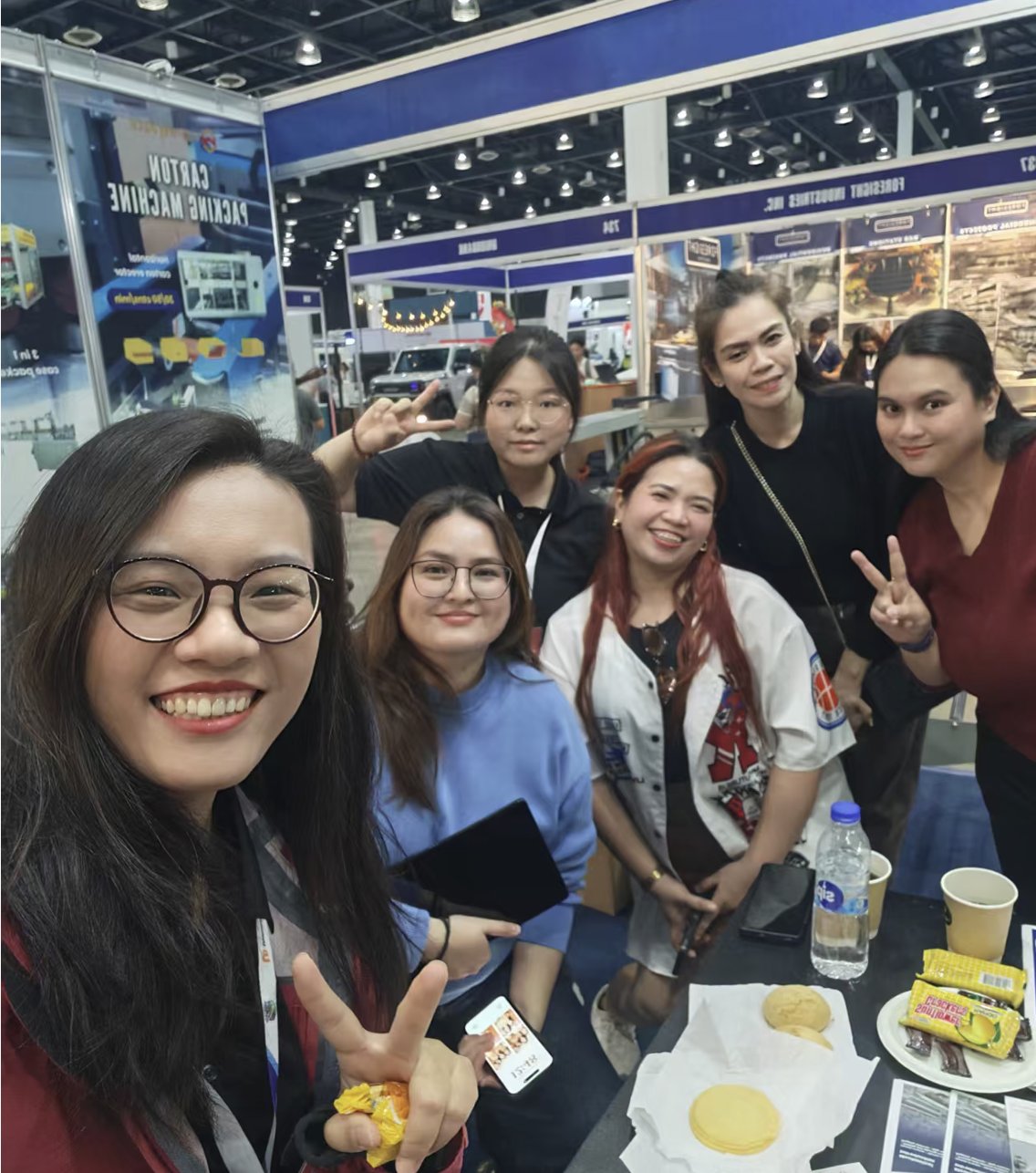
The show opened on September 9 and ran until September 12. Visitors were more diverse than expected. Philippine-based customers made up the majority, but there were also visitors from Australia, Thailand and Taiwan. Some were brought in by our local partners, others simply stopped as they walked past. We received them together with our partners, presenting the equipment, the specifications and the delivery schedules.
What surprised us most was who came. Unilever, Nestlé, Pepsi customers, Universal Robina, along with several snack and beverage producers — leading local food, FMCG and drinks companies — all appeared at the show. They were not passing by; they came with purchasing requirements.
Their questions were direct: what is the capacity, how long is the lead time, how is after-sales service covered? They were not looking at trends, they were looking for equipment that can actually be put into production.
After talking with these companies, the clearest impression was that the Philippine market is more active than we had estimated before departure. It is not a matter of "there may be an opportunity" — the market is already moving.
Over four days we collected a thick stack of business cards. Those needing an immediate quotation were singled out; the rest were classified by region and by requirement for follow-up.
An Unexpected Recognition
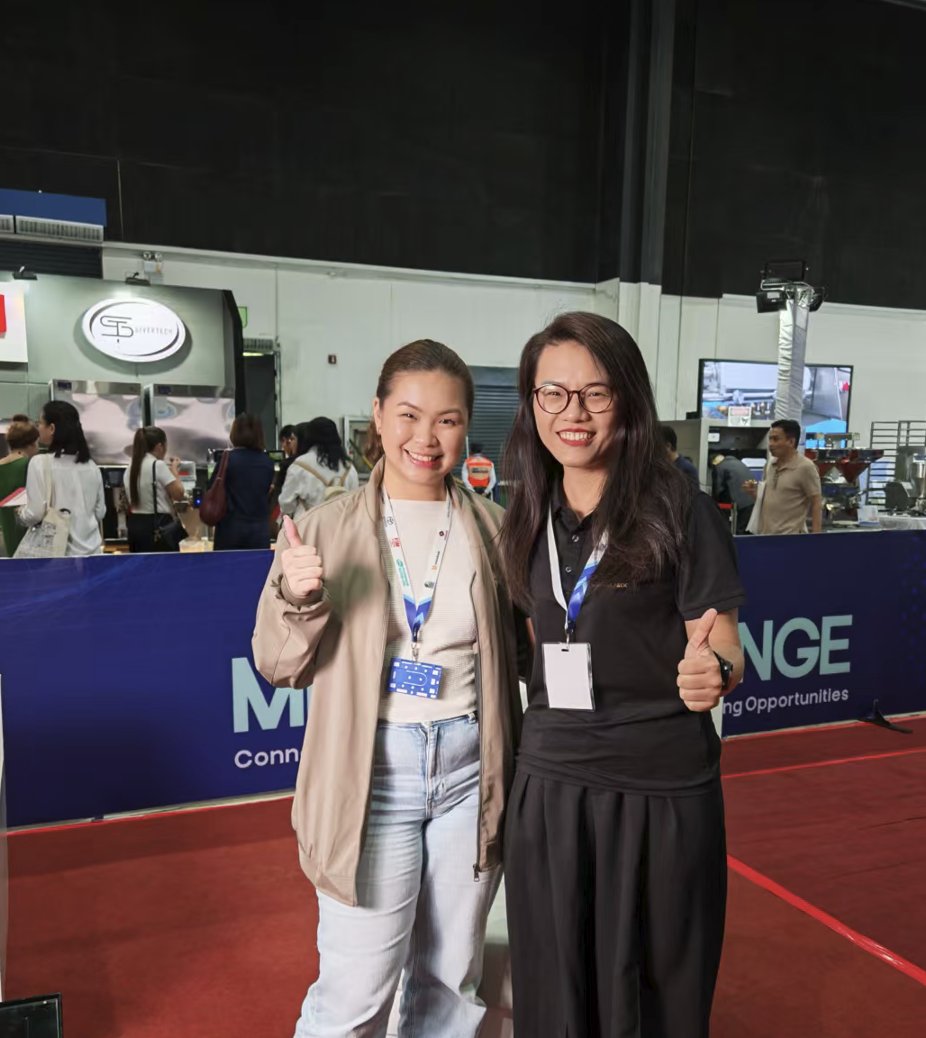
During the exhibition, the AFEX organiser invited Rachel, our Overseas Marketing Manager, for an interview. We also received an exhibition certificate issued by AFEX. Being noticed by the organiser on our very first participation carries more weight than a stack of business cards.
Three Observations Worth Keeping
It was our first time at this show, so we would not claim to fully understand the Philippine market. But three points stood out.
First, local customers are highly sensitive to after-sales service. Price naturally matters, but what they care about more is what happens when a machine breaks down. This is likely related to the local industrial support system still being developed in some areas — many customers have been let down by suppliers who sold and then disappeared, so they ask about service first and price second. This is something we need to sharpen for the next step.
Second, local partners play a bigger role than expected. Many Philippine customers were brought to us by our partner, with trust already established, so we only needed to explain the product clearly. Conversely, customers who arrived without a partner's introduction needed noticeably more time before they were ready to discuss. Channel relationships clearly carry more weight in the Philippines than we previously estimated.
Third, the presence of leading companies shows this market is procuring seriously. Unilever, Nestlé and Coca-Cola appeared at the shows not as formalities. They came with requirements, which indicates that equipment renewal and capacity expansion in the Philippine food and beverage industry is already happening. This is no longer a "possible opportunity" stage — it is an "already investing" stage.
The End, and the Beginning
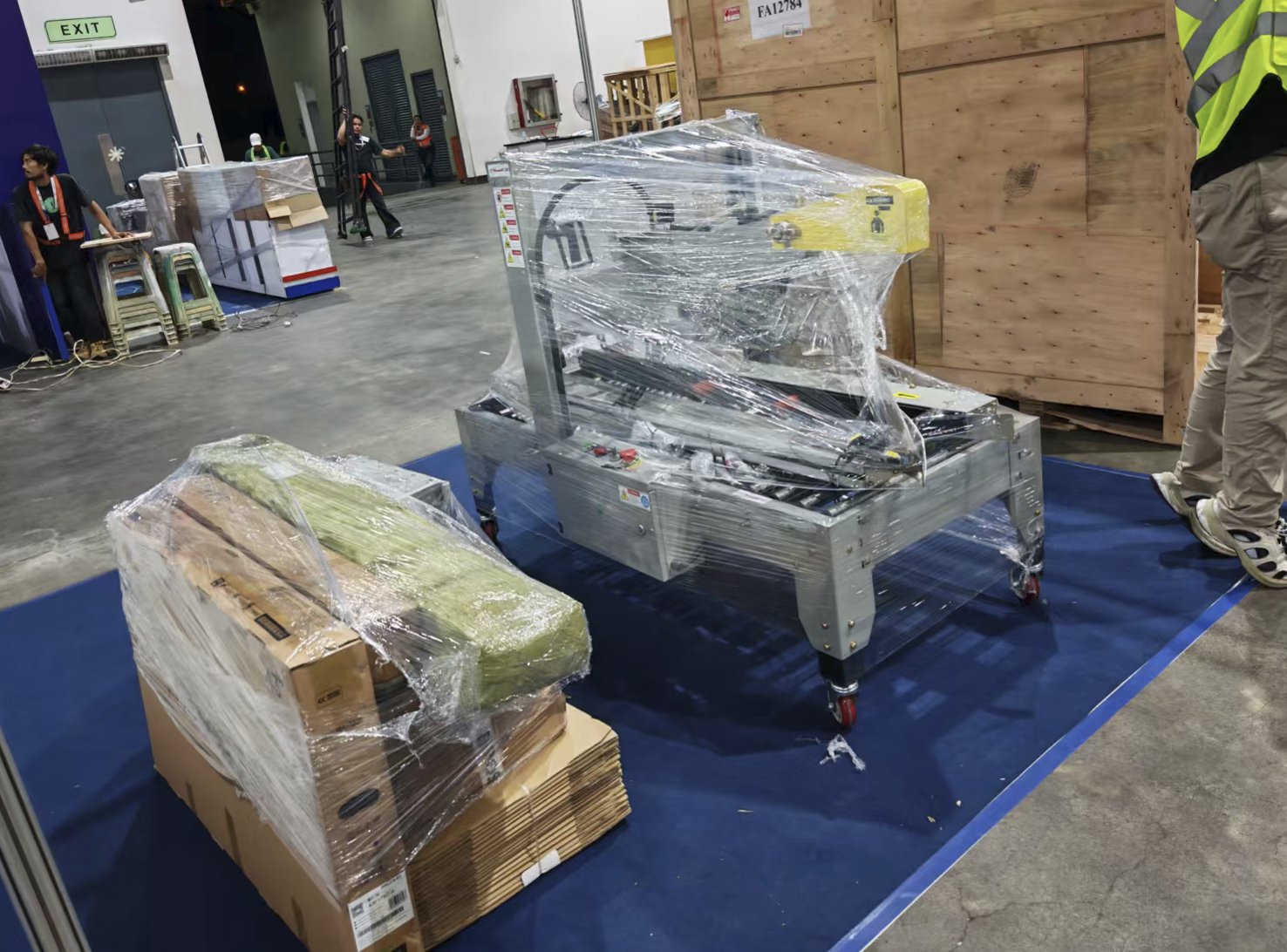
On September 12 we dismantled the booth: the equipment was packed, the posters rolled up, the TV screens boxed. The space went back to being empty.
Whether this trip paid off is too early to say. But at least we now know what Philippine customers ask when they sit down, what kind of equipment leading companies are looking for, how far our local partners can help us, and which steps of the next booth setup can be made faster.
Our thanks to the AFEX organiser and to every new friend we met along the way. Now the real work begins: following up with customers, one by one.
